13 Lesser-Known Platforms That Help You Launch an Online Business Fast
When you think about starting an online business, you probably hear the same big names over and over. But the truth is, there are plenty of platforms flying under the radar that can get you up and running just as quickly, often with less competition and more personalized support. These options might not have the flashiest marketing campaigns, but they offer solid tools, helpful communities, and practical features that make launching faster and easier. Whether you’re building a service business, selling digital products, or creating a membership site, this list will introduce you to some options you may not have considered yet.
- Legiit

If you’re planning to offer freelance services or digital products, Legiit is a platform that deserves more attention. Unlike the bigger marketplaces that are crowded with thousands of competitors, Legiit focuses on digital marketing services, which means you’re connecting with clients who are specifically looking for what you offer. The platform lets you set up your profile and start selling quickly, without jumping through hoops or waiting for approval on every listing.
What makes Legiit especially useful is the built-in trust system and the ability to upsell services directly within your offerings. You can also create bundles, run your own promotions, and build a client base without paying hefty fees on every transaction. It’s a solid choice if you want to start a service-based business fast and don’t want to get lost in the noise of larger platforms.
- Podia
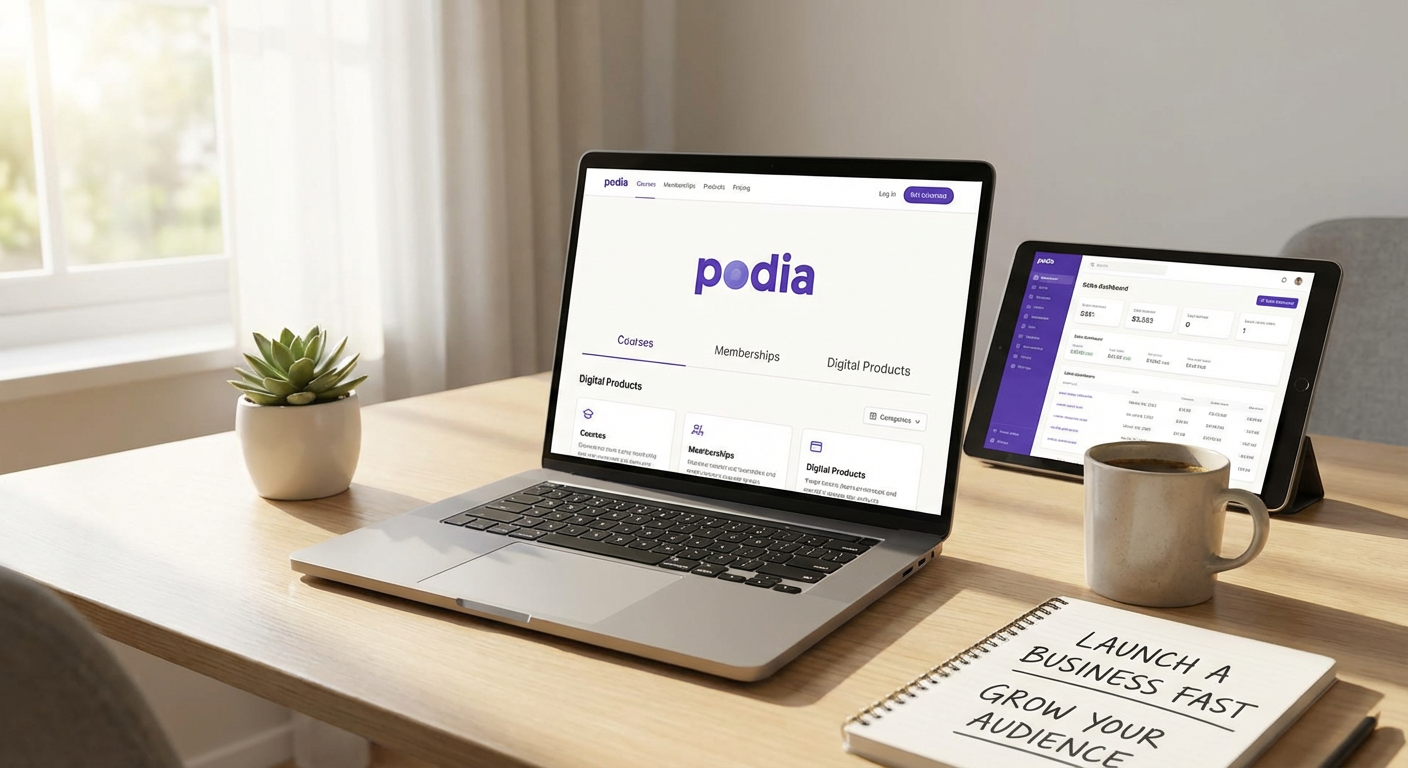
Podia is an all-in-one platform that lets you sell online courses, digital downloads, and memberships without needing a complicated tech stack. It’s not as well-known as some of the course platforms out there, but it’s incredibly straightforward to use. You can have your site up and ready to accept payments in an afternoon.
The platform includes email marketing tools, so you don’t need to pay for a separate service right away. You can also host webinars, manage your community, and handle affiliate programs all in one place. If you want to get started quickly without stitching together five different tools, Podia makes it simple.
- Gumroad
Gumroad is perfect if you’re selling digital products like ebooks, templates, music, or software. It’s been around for a while but still feels like a hidden gem because it doesn’t get the same attention as other ecommerce platforms. Setting up takes minutes. You upload your product, set a price, and share your link. That’s it.
Gumroad handles payments, file delivery, and even offers options for subscriptions and memberships. The interface is clean and there’s no need to worry about hosting or complicated integrations. It’s one of the fastest ways to start selling digital goods, and the fees are reasonable compared to building your own store from scratch.
- Stan Store
Stan Store is designed for creators who want a simple storefront that works well with social media. If you’re active on Instagram, TikTok, or YouTube and want to sell products or services without building a full website, this platform is worth checking out. You get a mobile-friendly page that acts as your hub for everything you offer.
You can sell digital products, book appointments, offer memberships, and even collect tips. The setup is fast, and the design is clean and professional without needing any coding. It’s particularly useful if your audience is already on social platforms and you want a frictionless way to convert followers into customers.
- Systeme.io
Systeme.io is an all-in-one business platform that combines website building, email marketing, sales funnels, and course hosting. It’s not as hyped as some of the bigger names, but it offers a lot of value, especially for beginners. The free plan is generous, which means you can start without spending anything upfront.
The platform is intuitive and doesn’t overwhelm you with features you don’t need right away. You can create landing pages, set up automated email sequences, and manage your entire sales process in one place. If you’re launching a digital business and want to keep things simple and affordable, this is a strong option.
- Substack
Substack is best known for newsletters, but it’s also a powerful platform for launching a subscription-based business. If your business model involves regular content, analysis, advice, or community access, Substack lets you start collecting paid subscribers almost immediately. There’s no need to set up payment processors or build a website.
The platform takes a percentage of your subscription revenue, but in exchange, you get a simple interface, built-in email delivery, and a growing network of readers. Writers, consultants, coaches, and niche experts have used Substack to build sustainable income streams without needing technical skills or a big upfront investment.
- Beehiiv
Beehiiv is another newsletter platform that’s gaining traction but still flies under the radar for many new business owners. It offers more customization and monetization options than some of the older newsletter tools. You can create a professional-looking publication, grow your subscriber list, and start charging for premium content.
What sets Beehiiv apart is the focus on helping you grow. The platform includes referral programs, analytics, and advertising options that help you generate revenue beyond just subscriptions. If you’re thinking about building a media or content business, Beehiiv gives you the tools to launch quickly and scale as you grow.
- Replit
Replit is a coding platform that lets you build and deploy apps directly in your browser. If you have some technical skills or want to create a custom tool, SaaS product, or web app, Replit makes it surprisingly fast to go from idea to live product. You don’t need to worry about setting up servers or complicated deployment processes.
The platform supports dozens of programming languages and offers collaborative features, so you can work with a partner or hire a developer to help. It’s a great option if you’re launching a tech-based business and want to avoid the overhead of traditional development environments.
- Memberful
Memberful is a membership platform that integrates with your existing website or content. It’s not as flashy as some of the bigger membership sites, but it’s powerful and flexible. You can offer paid subscriptions, manage access to content, and handle recurring billing without needing to rebuild your entire site.
The platform works well with WordPress, and it gives you full control over your branding and member experience. If you already have an audience and want to add a membership component to your business, Memberful lets you do it quickly without a steep learning curve.
- Sellfy
Sellfy is an ecommerce platform built for creators who want to sell digital products, physical goods, or subscriptions. It’s simple to set up and doesn’t require any design skills. You can have a store running in less than an hour, complete with payment processing and product delivery.
The platform includes email marketing tools and discount code features, so you can run promotions and build your customer list. It’s a good fit if you want a no-fuss solution that handles the basics well and lets you focus on creating and selling rather than managing technical details.
- Cratejoy
Cratejoy is a niche platform designed specifically for subscription box businesses. If you’re planning to sell curated boxes of products on a recurring basis, this platform handles everything from billing to shipping management. It’s not as widely known as general ecommerce platforms, but it’s built for this exact business model.
You get access to a marketplace of potential subscribers, tools for managing inventory and fulfillment, and analytics to track your growth. If you’re launching a subscription box and want a platform that understands the unique challenges of that business, Cratejoy is worth exploring.
- Thinkific
Thinkific is a course platform that doesn’t get as much buzz as some competitors, but it offers a lot of flexibility for course creators. You can build and sell courses, memberships, and digital downloads all from one place. The platform is user-friendly and offers a free plan that lets you test the waters before committing to paid features.
Thinkific includes tools for quizzes, certificates, and student engagement, so you can create a professional learning experience. If you’re launching an education-based business and want a platform that grows with you, this is a solid choice that won’t slow you down.
- Payhip
Payhip is a straightforward platform for selling digital products and memberships. It’s extremely simple to use, which makes it ideal if you want to start selling fast without getting bogged down in setup. You can sell ebooks, courses, software, music, and more, and the platform handles delivery and payments automatically.
Payhip also offers affiliate marketing tools, so you can recruit others to help promote your products. The fees are clear and competitive, and there’s no monthly cost unless you choose to upgrade. If you’re looking for a no-frills way to get your digital products online quickly, Payhip is a reliable option that gets the job done.
Launching an online business doesn’t mean you have to use the same platforms everyone else does. These lesser-known options offer speed, simplicity, and solid features without the overwhelming competition or complexity of the bigger names. Each platform on this list is designed to get you up and running quickly, so you can focus on building your business instead of wrestling with technology. Pick the one that fits your business model, set it up, and start selling. The sooner you launch, the sooner you learn what works and start growing.
