
13 Practical Daily Habits of Six-Figure Freelancers You Can Start Today
Building a six-figure freelance business doesn’t happen by accident. It’s the result of consistent daily practices that compound over time. If you’re ready to move beyond theory and start implementing real changes in your routine, this list is for you. These aren’t abstract concepts or vague suggestions. They’re specific, actionable habits that successful freelancers use every single day to maintain their income and sanity. You can start applying most of them immediately, without special tools or major investments.
- Use Legiit to Streamline Client Acquisition
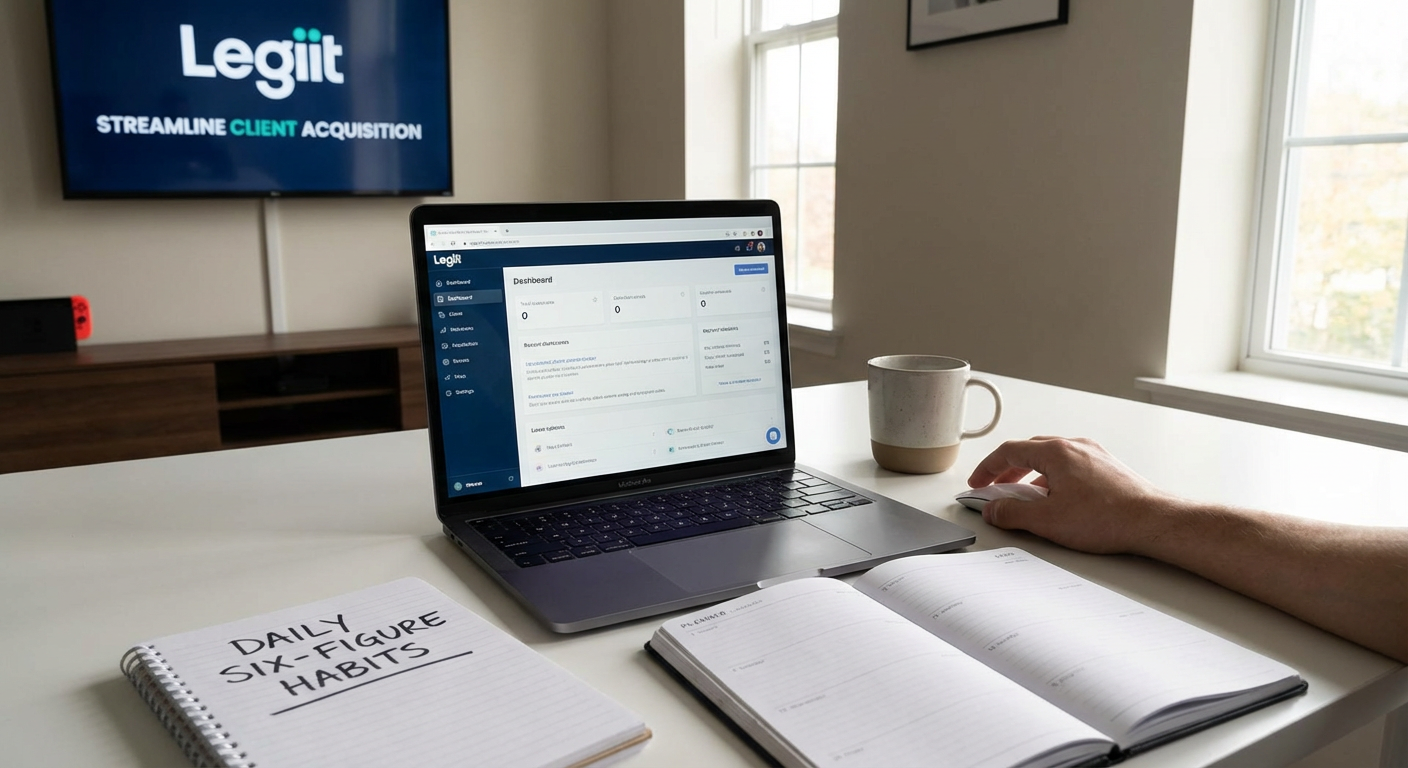
High-earning freelancers know that finding clients shouldn’t consume half your workday. Legiit offers a practical marketplace where you can list your services and let clients come to you while you focus on billable work. Set up your profile once, showcase your best offerings, and let the platform handle much of the discovery process. The key is treating your Legiit presence as a passive lead generation channel that works while you’re serving existing clients. Update your listings monthly based on what’s selling best, and respond to inquiries within a few hours to maximize conversions.
- Block Your Calendar in 90-Minute Work Sprints
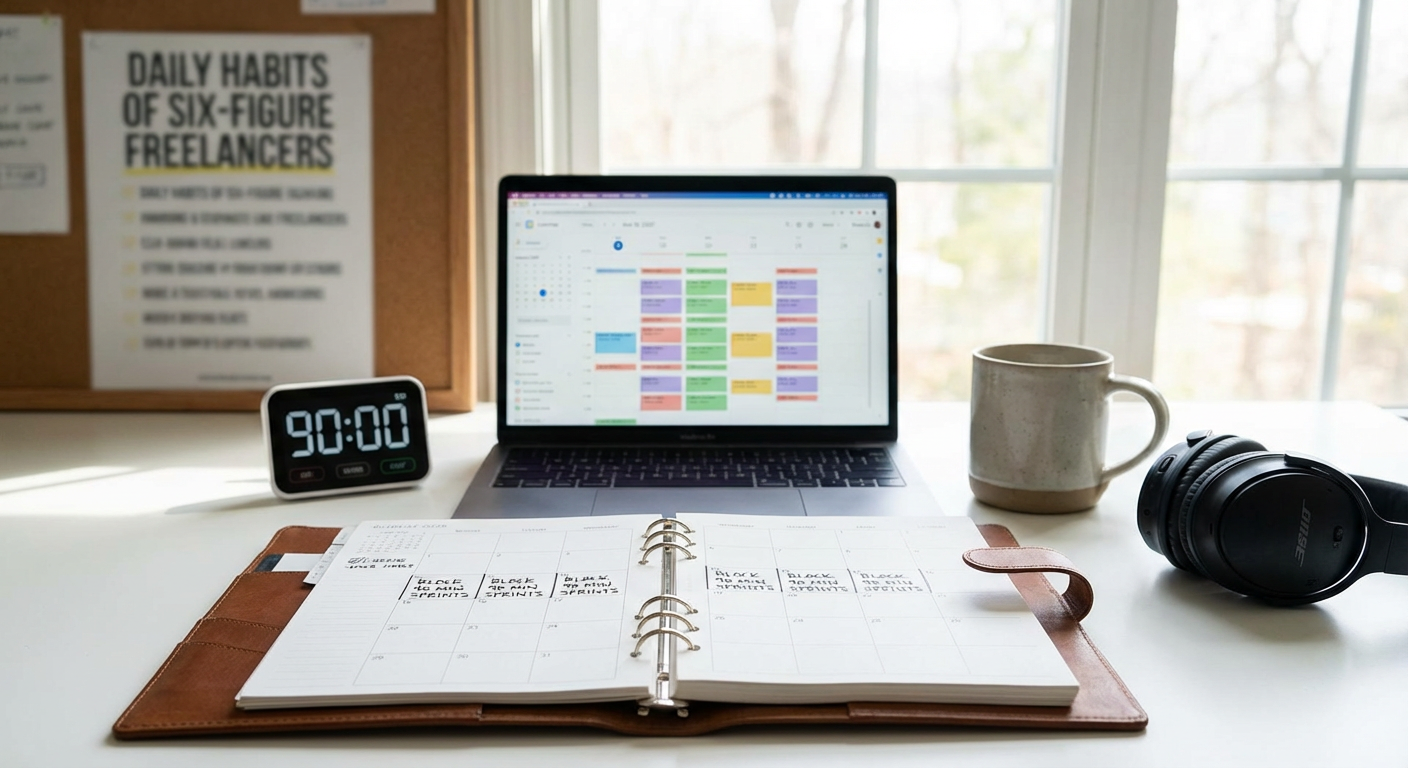
Top freelancers don’t work in random chunks throughout the day. They schedule focused work blocks of 90 minutes, which matches the brain’s natural attention cycle. During these sprints, they close email, silence notifications, and work on a single high-value task. Between blocks, they take 15 to 20 minute breaks to recharge. This pattern prevents burnout and produces significantly more quality output than eight hours of distracted work. Try starting with just two 90-minute blocks per day and build from there.
- Track Every Hour Using Simple Time Logs
You can’t optimize what you don’t measure. Successful freelancers track their time not to punish themselves, but to identify where hours leak away. Use a basic spreadsheet or simple timer app to log what you work on in 30-minute increments. At the end of each week, review where your time actually went versus where you thought it went. This practice reveals which clients or tasks eat up time without paying well, and which activities generate the best return. Most freelancers discover they’re spending 10 to 15 hours weekly on tasks that could be eliminated or delegated.
- Send Invoices the Same Day Work Completes
Cash flow problems often stem from delayed invoicing, not slow-paying clients. Make it a non-negotiable habit to send invoices within hours of completing a project or reaching a milestone. Create invoice templates for your common services so you can fill them out in under five minutes. Many freelancers set a daily alarm for 4 PM to review what they finished that day and invoice immediately. This simple practice can reduce your average payment timeline by a week or more, which makes a substantial difference when you’re managing multiple projects.
- Start Each Day With Your Three Revenue Tasks
Before checking email or social media, six-figure freelancers identify and complete their three most important revenue-generating tasks. These are activities that directly lead to income, such as finishing client deliverables, following up on proposals, or creating sample work for pitches. Write these three tasks on paper or in a dedicated note the night before. Tackle them first thing in the morning when your energy and focus are highest. Everything else can wait until after these core tasks are done. This habit alone can double your effective productivity.
- Maintain a Swipe File of Your Best Work
Keep a running collection of your strongest samples, testimonials, and results in an easily accessible folder. When a potential client asks for examples, you should be able to respond within minutes, not hours. Organize this swipe file by service type or industry so you can quickly pull relevant samples. Include short descriptions of each project’s context and results. Update this file every time you complete work you’re proud of. This preparation lets you respond to opportunities faster than competitors who scramble to find samples each time.
- Set a Hard Stop Time and Stick To It
Freelancers who earn six figures understand that working all evening doesn’t lead to better results. Set a specific time when your workday ends, typically between 5 and 6 PM, and protect it fiercely. Shut down your computer, close your office door, and transition to personal time. This boundary forces you to work more efficiently during business hours and prevents the burnout that tanks so many freelance careers. If you struggle with this, set a phone alarm and have an accountability partner who checks that you’ve stopped working.
- Review Your Bank Balance Every Morning
This five-minute habit keeps your financial reality front and center. Log into your business bank account each morning and note your current balance. This practice prevents surprises, helps you spot payment issues quickly, and keeps you motivated to maintain your income. Many freelancers pair this with a quick check of outstanding invoices so they know exactly what money is coming and when. When you see your balance growing steadily, it reinforces that your daily efforts are working. When it’s lower than expected, you can take immediate action rather than discovering a problem weeks later.
- Batch Similar Tasks Into Dedicated Time Blocks
High earners don’t scatter similar tasks throughout the week. They group them into batches and handle them all at once. For example, schedule all client calls on Tuesday and Thursday afternoons. Answer all emails in three designated 30-minute blocks rather than constantly throughout the day. Write all your social media content for the week in one sitting. This approach reduces the mental energy lost to context switching and lets you get into a rhythm for each type of work. Start by batching just one category of tasks and expand from there.
- Create Reusable Templates for Repeated Work
Every time you find yourself doing similar work twice, turn it into a template. This includes email responses, project briefs, contract clauses, design layouts, code snippets, or content outlines. Store these templates in a system where you can find them instantly, such as a dedicated folder or tool like TextExpander. When a new project starts, begin with your template and customize rather than starting from scratch. This practice can save 5 to 10 hours per week once you build a solid template library. Review and improve your templates quarterly based on what’s working.
- Follow Up on Proposals Within 48 Hours
Sending a proposal and waiting silently is a rookie mistake. Successful freelancers follow up within two business days with a brief, friendly message. Ask if the prospect has questions or needs clarification on anything. This simple touchpoint dramatically increases your close rate because it shows professionalism and keeps you top of mind. If you don’t hear back, follow up again after another week. Many six-figure freelancers report that 30 to 40 percent of their won projects came from follow-up messages, not initial proposals.
- Keep a Running List of Potential Upsells
While working with current clients, pay attention to additional problems you could solve for them. Keep a simple list of these upsell opportunities organized by client name. Once per month, review this list and reach out to two or three clients with relevant additional services. Frame these as solutions to problems you’ve noticed, not sales pitches. Existing clients are far easier to sell to than new prospects, and upsells often require less scope definition and negotiation. This habit can add 20 to 30 percent to your annual revenue without finding a single new client.
- End Each Day With a 10-Minute Planning Session
Before you finish work, spend 10 minutes reviewing what you accomplished and planning tomorrow. Write down your three revenue tasks for the next day, note any urgent items that need attention, and clear your workspace. This ritual creates closure for today and eliminates the morning decision fatigue about what to work on first. Many freelancers find this practice also helps them sleep better because their brain isn’t trying to remember everything overnight. Keep a dedicated notebook or digital document for these daily plans so you can reference them later.
The gap between struggling freelancers and those earning six figures isn’t talent or luck. It’s the accumulation of smart daily habits that protect your time, increase your efficiency, and keep revenue flowing consistently. You don’t need to implement all 13 of these practices tomorrow. Pick two or three that address your biggest current challenges and commit to them for 30 days. Once they become automatic, add another habit. Small, consistent improvements compound into remarkable results over time. Your six-figure freelance business is built one productive day at a time.
