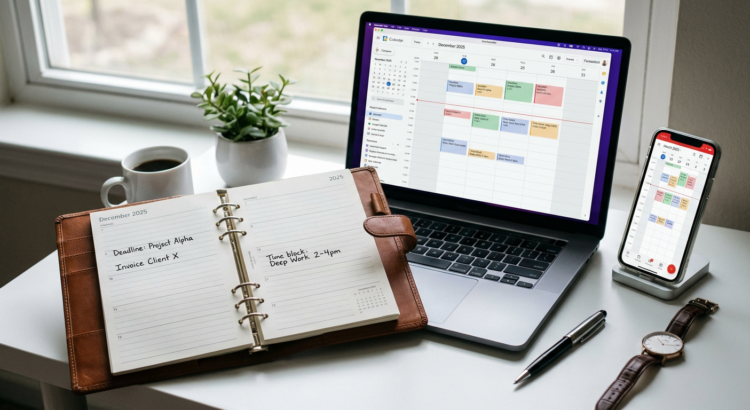
10 Easy-to-Use Calendar and Time Management Tools for Freelancers Just Starting Out
Starting a freelancing business can feel overwhelming, especially when you’re juggling multiple clients, deadlines, and projects without the structure of a traditional office. Good news: you don’t need a degree in productivity science to manage your time well. The right calendar and time management tools can help you stay organized from day one, even if you’ve never tracked a billable hour in your life. This guide focuses on beginner-friendly options that are simple to set up, easy to learn, and won’t leave you scratching your head over complicated features. Whether you’re brand new to freelancing or just looking for straightforward solutions, these tools will help you get your schedule under control quickly.
- Legiit for Project Management and Client Collaboration
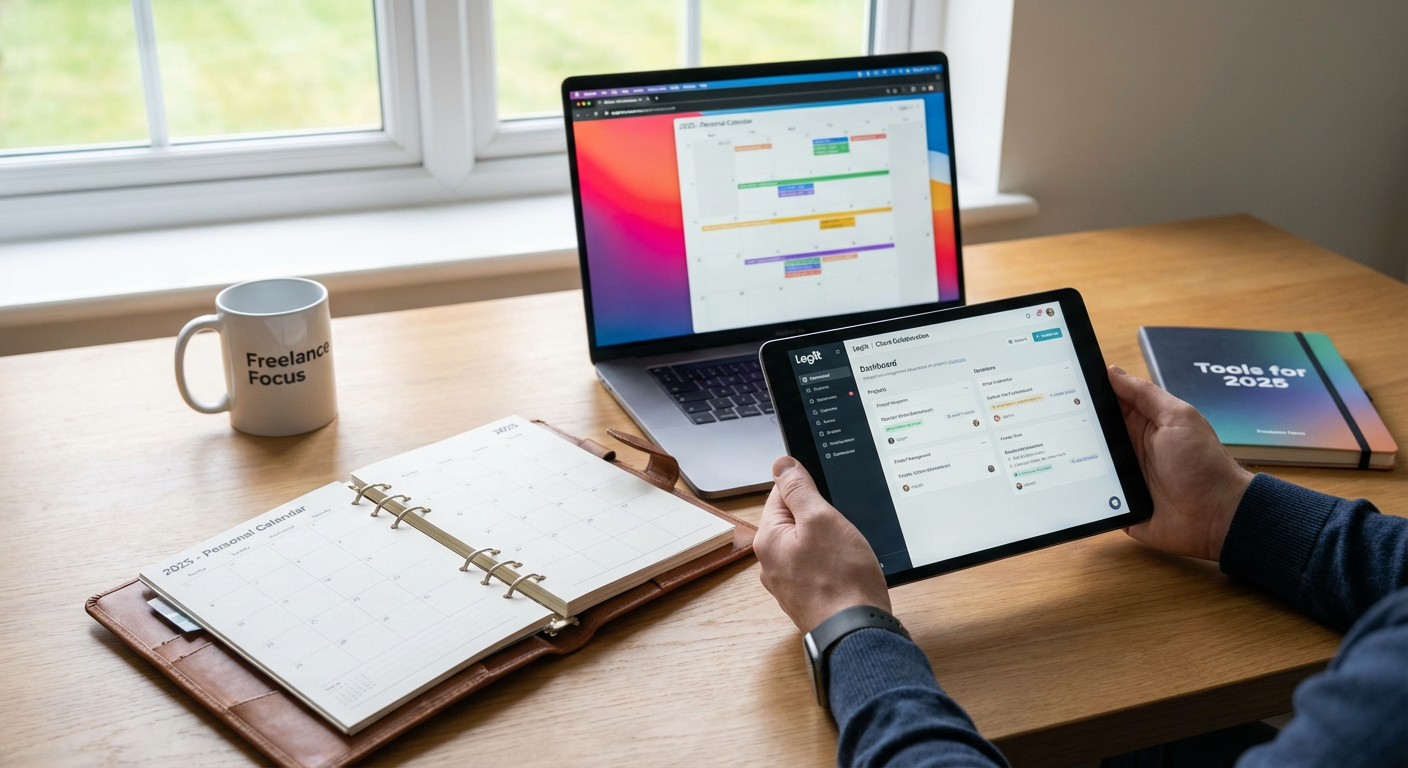
When you’re new to freelancing, finding clients and managing projects can feel like separate full-time jobs. Legiit simplifies both by offering a platform where you can list your services, connect with clients, and manage your work all in one place. The built-in project management features let you track deadlines, communicate with clients, and organize deliverables without needing to learn complex software.
What makes Legiit particularly helpful for beginners is that it handles the administrative side of freelancing so you can focus on the actual work. You get a clear dashboard that shows what’s due and when, which helps you build good time management habits from the start. The platform also includes tools for invoicing and payments, so you’re not juggling five different apps just to run your business. For someone just starting out, having everything in one accessible place reduces the learning curve significantly.
- Google Calendar for Basic Scheduling
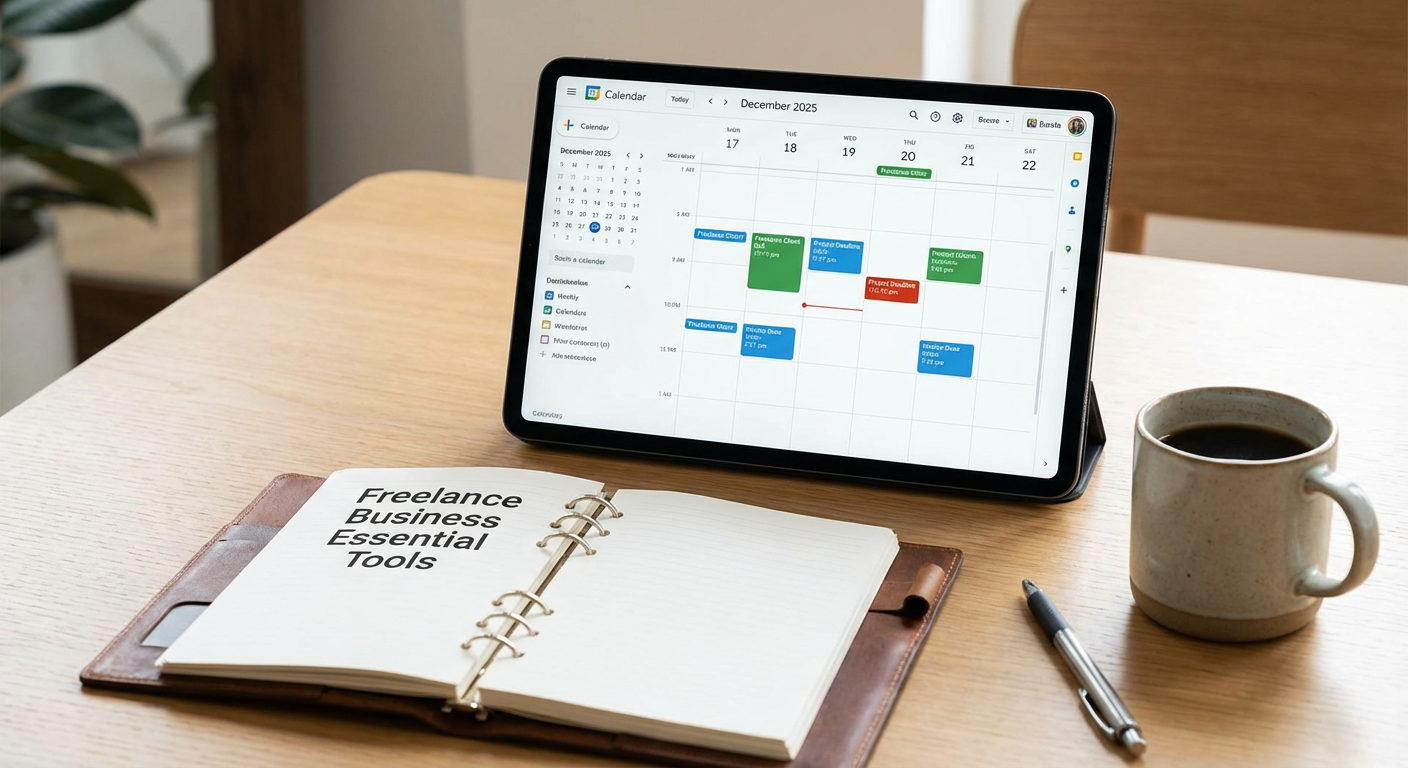
Google Calendar remains one of the best starting points for freelancers who need something reliable and free. You probably already have a Google account, which means you can start using it immediately without creating new logins or downloading software. The interface is clean and straightforward, showing your week or month at a glance.
You can color-code different clients or project types, set reminders for deadlines, and even share specific calendars with clients if needed. The mobile app syncs automatically, so you can check your schedule from anywhere. Many other tools integrate with Google Calendar, which means as your needs grow, your calendar can grow with you. For absolute beginners, it’s hard to beat something this simple and this widely supported.
- Toggl Track for Understanding Where Your Time Goes
One of the biggest surprises for new freelancers is realizing how long tasks actually take. Toggl Track helps you figure this out with a simple one-click timer. You press start when you begin working, press stop when you finish, and the app records how long you spent. That’s it.
The real value comes when you review your week and see that client emails are eating three hours every Tuesday, or that a task you thought took 30 minutes actually takes two hours. This information helps you price your services accurately and plan your days realistically. Toggl’s free version offers everything a beginner needs, and the reports are presented in simple charts that don’t require interpretation. Understanding your time patterns is the first step to managing them better.
- Todoist for Simple Task Lists That Actually Work
Task management doesn’t need to be complicated, and Todoist proves it. You type what you need to do, set a due date if you want one, and the app organizes everything into a clean list. You can create different projects for different clients, but you can also just dump everything into one inbox if that’s easier for you right now.
What makes Todoist beginner-friendly is that it doesn’t force you into a specific system or methodology. You can use it as a basic to-do list on day one, then gradually add features like recurring tasks, priority levels, or labels as you get more comfortable. The satisfaction of checking off completed tasks might seem small, but it provides real motivation when you’re working alone. The free version handles most freelancer needs without pushing premium features in your face constantly.
- Calendly for Scheduling Client Meetings Without the Email Tennis
Few things waste more time than the back-and-forth of finding a meeting time: “Does Tuesday work?” “I’m busy Tuesday, how about Wednesday?” “Wednesday morning or afternoon?” Calendly eliminates this entirely. You set your available hours, send clients a link, and they pick a time that works for them.
The setup takes about ten minutes, and once it’s done, you never have to think about it again. Calendly connects to your Google Calendar or other calendar apps, automatically blocking off times when you’re already busy. It sends reminders to both you and your clients, reducing no-shows. For beginners who feel awkward negotiating meeting times or who want to appear more professional, Calendly makes you look organized without requiring any technical skill. The free version allows one calendar connection and one type of meeting, which is plenty when you’re starting out.
- RescueTime for Automatic Time Tracking and Focus Insights
RescueTime runs quietly in the background on your computer and phone, tracking which applications and websites you use throughout the day. At the end of the week, it shows you a report: how much time you spent in productive work, how much on communication, and how much on distractions.
This passive approach works well for beginners because you don’t need to remember to start or stop timers. You just install it and let it observe your patterns. The insights can be eye-opening, especially when you realize you’re spending an hour each day on social media when you thought it was only fifteen minutes. RescueTime also offers a focus mode that blocks distracting websites during work hours. The free version provides enough data to identify your biggest time drains and adjust accordingly.
- Notion Calendar (Formerly Cron) for a Cleaner Calendar Experience
Notion Calendar offers a more modern take on calendar apps, with a design that feels less cluttered than traditional options. It connects to your Google Calendar and other calendar services, pulling all your events into one view. The interface is fast and keyboard-friendly, though you can use it entirely with a mouse if you prefer.
What beginners appreciate is the visual clarity. Your schedule is easy to scan, meetings show participant avatars, and you can quickly reschedule events by dragging them to new times. The app also includes a scheduling link feature similar to Calendly, so you get multiple tools in one. While Notion Calendar offers some advanced features for power users, you can ignore those entirely and just enjoy a calendar that’s pleasant to look at and easy to use. It’s completely free, which removes any barrier to trying it out.
- Forest App for Staying Focused During Work Sessions
Forest takes a playful approach to time management by gamifying focus. When you need to concentrate, you plant a virtual tree that grows over the next 25 or 50 minutes. If you leave the app to check social media or browse the web, your tree dies. Over time, you build a forest that represents your productive hours.
This might sound silly, but the psychological trick works, especially for people who struggle with phone distractions. The visual representation of your focus time provides motivation that a simple timer doesn’t. Forest also partners with a real tree-planting organization, so your virtual forest can contribute to actual reforestation. For beginners who find traditional time management tools boring or stressful, Forest offers a gentler entry point. The app costs a few dollars, but there’s no subscription, and many users find the one-time payment worthwhile for the accountability it provides.
- Clockify for Free Time Tracking with Team Options
Clockify gives you professional-grade time tracking without any cost, making it perfect for freelancers who aren’t ready to invest in paid tools yet. You can track time manually or with a timer, organize hours by project and client, and generate reports that show where your time went.
The interface is straightforward, with clearly labeled buttons and no hidden features that require tutorials to find. You can add as many projects as you want, invite collaborators if you start working with a partner, and export your data whenever needed. Clockify also offers browser extensions and mobile apps, so you can track time regardless of which device you’re using. For beginners who need to show clients detailed breakdowns of billable hours, Clockify provides the credibility of professional time tracking without the learning curve of more complex software.
- Any.do for Task Management That Feels Natural
Any.do takes a conversational approach to task management, letting you type tasks in plain language like “Call Sarah tomorrow at 2pm” and automatically parsing the details. This natural input method feels less robotic than other task managers, which makes it easier for beginners to adopt.
The app combines your to-do list, calendar, and reminders in one place, reducing the number of apps you need to check throughout the day. You can organize tasks by lists or tags, set recurring tasks for regular responsibilities, and share lists with clients or collaborators. The daily planner feature prompts you each morning to review what’s coming up, helping you start each day with intention. Any.do offers a free version that handles basic needs, with a premium option available if you want features like location-based reminders or color tags. The clean design and simple interactions make it approachable for anyone who’s never used a task manager before.
Managing your time as a freelancer doesn’t require mastering complicated systems or spending hours on setup. These beginner-friendly tools offer simple ways to organize your schedule, track your work, and stay focused without overwhelming you with features you don’t need yet. Start with one or two that address your biggest pain points right now, whether that’s scheduling meetings, tracking billable hours, or just remembering what needs to get done. As you get more comfortable with freelancing, you can always add more tools or explore advanced features. The most important step is simply starting with something, anything, that helps you take control of your time instead of letting it control you.
