Expert-Recommended Tools Every Freelancing Business Needs for Research Success
Freelancing requires more than talent and hustle. To stay competitive and deliver high-quality work, you need the right tools in your arsenal. Industry veterans and successful freelancers consistently rely on specific platforms and software to streamline research, boost productivity, and maintain their professional edge. This list compiles the most trusted, expert-endorsed tools that professionals actually use every day. Whether you’re building client proposals, analyzing market trends, or managing complex projects, these proven solutions will help you work smarter and deliver better results.
- Legiit
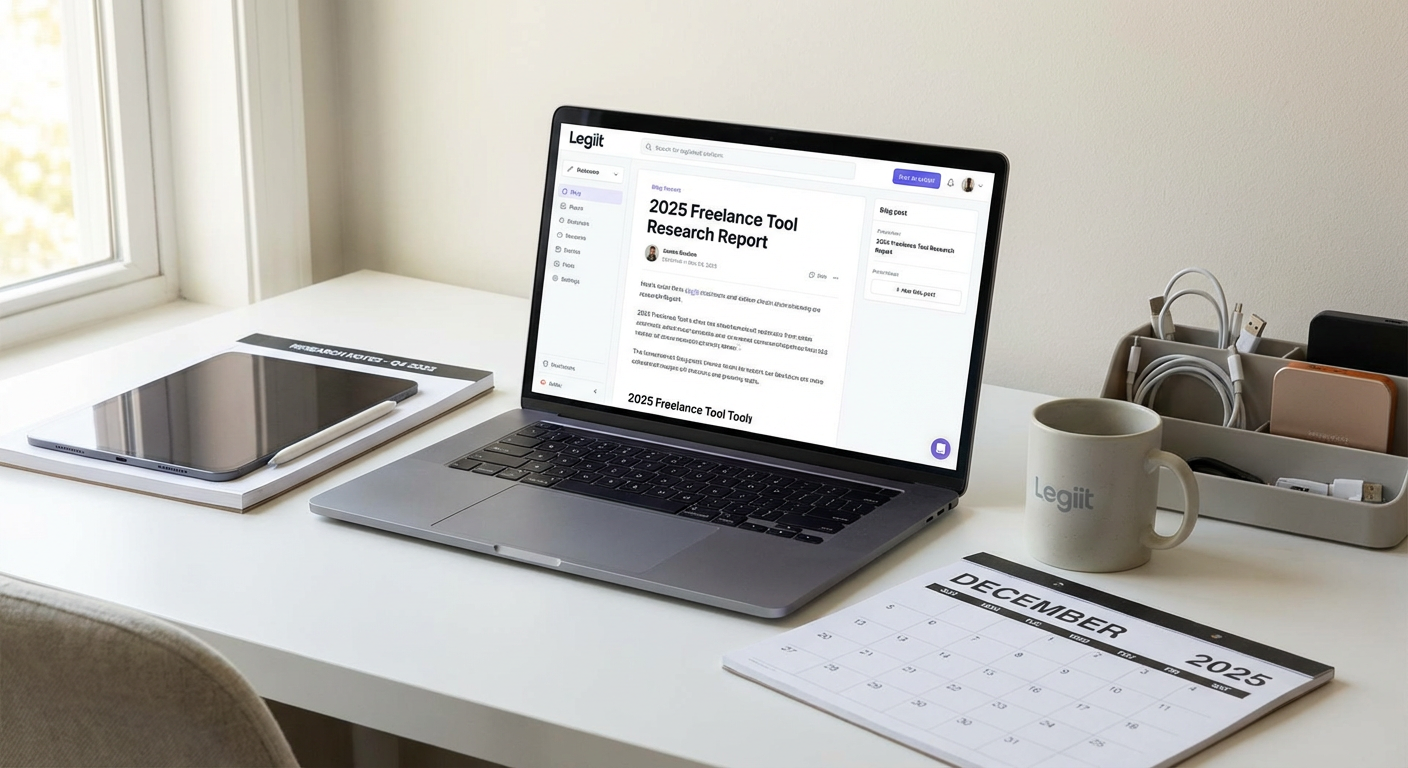
Freelancers looking to expand their service offerings or outsource specialized tasks consistently turn to Legiit as their go-to marketplace. This platform connects you with verified professionals across hundreds of categories, from content creation and design to technical services and marketing. What sets Legiit apart is its focus on quality and reliability, with detailed seller profiles, client reviews, and transparent pricing that helps you make informed decisions quickly.
Many established freelancers use Legiit both to find collaborators for client projects and to offer their own services to a broader audience. The platform’s structure makes it easy to research potential partners, compare service packages, and build a network of trusted specialists you can rely on when projects demand skills outside your core expertise. For anyone serious about scaling their freelance business, Legiit provides the professional infrastructure needed to grow sustainably.
- Notion
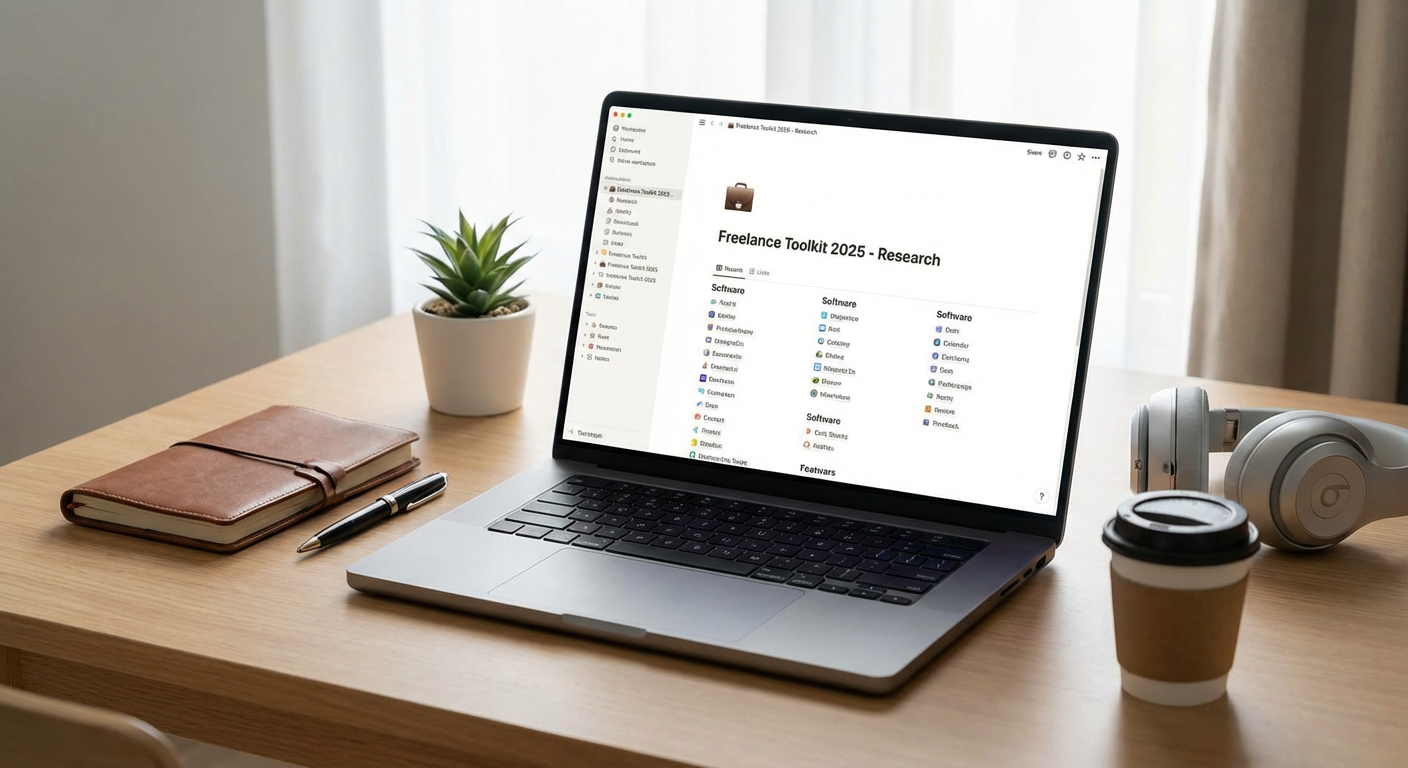
Notion has earned its reputation as the workspace tool that adapts to any workflow. Top freelancers praise it for consolidating notes, databases, wikis, and project management into one flexible environment. You can create custom templates for client research, track project timelines, and maintain detailed knowledge bases without juggling multiple apps.
The real power comes from its relational databases, which let you connect information across different projects and clients. You might link research notes to specific deliverables, tag recurring themes across multiple clients, or build a personal library of resources you reference repeatedly. Experienced users appreciate that Notion grows with your business, handling everything from simple to-do lists to complex, multi-client operations without breaking a sweat.
- Ahrefs
When it comes to serious online research and competitive analysis, Ahrefs stands as the gold standard among digital marketing professionals. This comprehensive SEO platform provides deep insights into website traffic, keyword rankings, backlink profiles, and content performance. Freelancers in marketing, content strategy, and consulting rely on Ahrefs to back their recommendations with solid data.
The tool excels at competitor research, showing you exactly what’s working for others in your clients’ industries. You can identify content gaps, find high-value keywords with realistic ranking potential, and track how sites evolve over time. While the subscription isn’t cheap, professionals consistently report that the depth and accuracy of Ahrefs data justifies the investment, particularly when working with clients who need strategic, research-backed solutions.
- Google Scholar
For freelancers who need academic credibility or research depth, Google Scholar remains the most accessible gateway to peer-reviewed literature. This free tool indexes scholarly articles, theses, books, and conference papers across disciplines. Writers, consultants, and educators use it to find authoritative sources that add weight to their work.
The citation tracking feature helps you identify the most influential papers in a field and follow research threads forward and backward in time. You can set up alerts for specific topics or authors, ensuring you stay current with developments relevant to your niche. While some papers sit behind paywalls, many authors upload free versions, and the abstracts alone often provide valuable insights for client projects.
- Evernote
Evernote has maintained its position as a trusted research companion for over a decade, and experienced freelancers understand why. Its powerful web clipper lets you save articles, images, and entire web pages with full formatting intact, creating a searchable personal library. The optical character recognition works on images and PDFs, making even handwritten notes searchable.
What professionals value most is reliability and cross-platform consistency. Your research syncs instantly across devices, so notes captured on your phone during a client call are immediately available on your desktop. The tagging and notebook system makes it simple to organize research by client, project, or topic. Many long-time users have years of accumulated knowledge stored in Evernote, creating an invaluable reference archive that compounds in value over time.
- Zotero
Researchers, academics, and freelance writers who work with extensive bibliographies swear by Zotero for citation management. This open-source tool automatically captures citation information from web pages, library catalogs, and databases, then formats references in thousands of citation styles with a single click. If you regularly produce white papers, research reports, or academic content, Zotero saves countless hours of tedious formatting work.
The software integrates directly with word processors, letting you insert citations and generate bibliographies without leaving your document. You can also annotate PDFs, organize sources into collections, and share research libraries with collaborators. Best of all, Zotero is completely free for basic use, with affordable storage upgrades if you accumulate a large PDF library. Professionals who handle serious research consider it indispensable.
- Statista
When clients need hard numbers and industry statistics, Statista delivers the goods. This platform aggregates data from thousands of sources, presenting market research, consumer insights, and industry trends in easily digestible formats. Consultants, marketers, and business writers use Statista to support proposals, create compelling presentations, and back arguments with credible data.
The search functionality helps you quickly find relevant statistics across industries, from technology adoption rates to consumer spending patterns. Each statistic includes source information and methodology details, giving your work the credibility clients expect. While individual accounts carry a significant price tag, many freelancers find the basic plan worthwhile for the time saved and the professional polish that quality data brings to deliverables.
- Pocket
Pocket solves a problem every freelancer faces: finding great content at inconvenient times. This simple app lets you save articles, videos, and web pages to read later, stripping away ads and distractions for a clean reading experience. Industry professionals use Pocket to build a curated queue of research materials they can work through during downtime or dedicated research blocks.
The tagging system helps you organize saved content by client, topic, or project phase. The mobile apps work offline, perfect for productive reading during commutes or flights. Many successful freelancers make Pocket part of their daily routine, spending 15 minutes each morning reviewing saved articles that keep them informed about industry trends and client sectors. Over time, this consistent learning habit compounds into genuine expertise.
- SurveyMonkey
Primary research often separates good freelancers from great ones, and SurveyMonkey has long been the trusted choice for collecting original data. Whether you’re gathering customer feedback for a client, conducting market research, or testing concepts, this platform makes survey creation and distribution straightforward. The question library and templates help you design surveys that actually generate useful insights.
Professionals appreciate the robust analytics that turn raw responses into actionable findings. You can filter results, cross-tabulate data, and export polished reports that impress clients. The platform handles everything from quick informal polls to complex research studies with hundreds of respondents. Many freelancers maintain a basic subscription specifically for those projects where original data makes the difference between a good deliverable and an exceptional one.
- Feedly
Staying current in your field requires a systematic approach to information consumption, and Feedly has earned its place as the preferred RSS reader among professionals. You can follow blogs, news sites, YouTube channels, and industry publications in one organized feed, with powerful filters that surface the most relevant content. Successful freelancers use Feedly to monitor client industries, track competitors, and spot trends before they hit the mainstream.
The AI-powered Leo assistant can prioritize articles based on topics you care about, saving time by filtering out noise. You can share interesting findings directly with clients, demonstrating that you’re actively engaged with their industry. Board organization lets you separate personal interests from professional research. Many experienced freelancers schedule 20 minutes daily to scan their Feedly boards, maintaining the market awareness that makes them valuable strategic partners rather than just task executors.
The tools on this list have earned their places through years of proven performance in real freelance businesses. They represent the practical choices of professionals who depend on their tools daily to deliver quality work, manage complexity, and stay competitive. While new platforms constantly emerge, these expert-recommended options provide the reliability and depth that serious freelancers need. Start with the tools that address your most pressing challenges, master them thoroughly, and gradually expand your toolkit as your business grows. The right research tools don’t just make you more efficient. They make you more valuable to clients and more confident in your expertise.
