
15 Essential Tools & Services That Solve Real E-commerce Problems
Running an online store means juggling dozens of tasks at once. You need to manage inventory, handle customer questions, process payments, ship orders, and somehow find time to market your products. The right tools can turn overwhelming chaos into manageable routines. This list focuses on practical solutions to the specific problems e-commerce store owners face every day. Whether you’re just starting out or scaling an established business, these tools and services will help you work smarter and grow faster.
- Legiit for Outsourcing Your Marketing and Development Tasks

Growing an e-commerce business requires skills you might not have in-house. Legiit connects store owners with experienced freelancers who specialize in e-commerce marketing, web development, content creation, and technical services. Instead of hiring full-time employees or dealing with agencies that charge premium rates, you can find qualified professionals for specific projects.
The platform focuses on digital marketing and tech services, which means you’ll find people who understand online business challenges. Need product descriptions written, Facebook ads managed, or custom Shopify features built? Legiit makes it simple to get expert help without the overhead of traditional hiring.
- Inventory Management Software That Prevents Stockouts
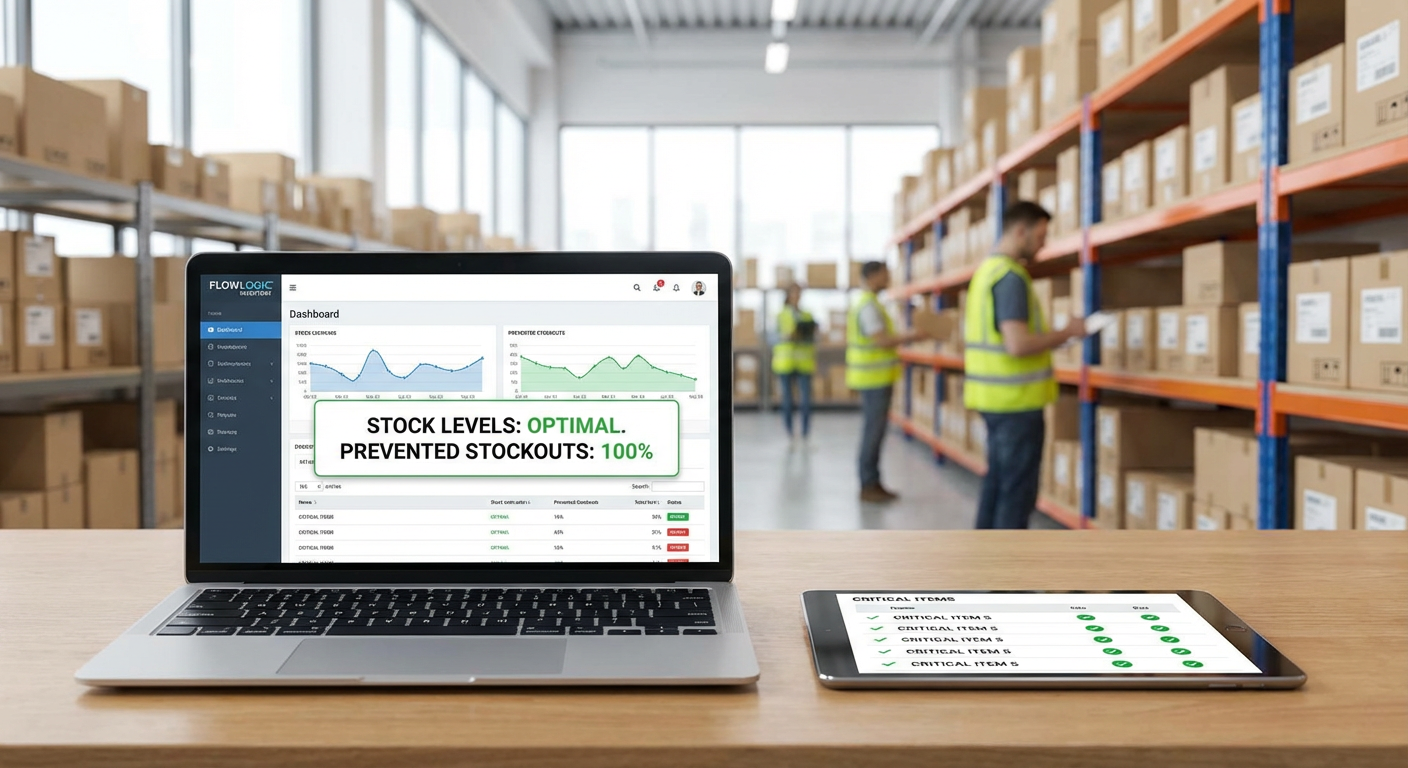
Nothing frustrates customers more than ordering something only to learn it’s out of stock. Good inventory management software tracks your stock levels across all sales channels and warns you before you run out. These systems sync with your store, marketplaces, and even physical warehouse locations.
Many options also handle purchase orders and supplier management. When stock gets low, the software can automatically generate reorder recommendations based on your sales velocity. This prevents both stockouts and the opposite problem of tying up too much cash in excess inventory.
- Email Marketing Platforms Built for Commerce
Email remains one of the highest-return marketing channels for online stores. The right email platform lets you send abandoned cart reminders, product recommendations, and promotional campaigns that actually drive sales. Look for tools that integrate directly with your store and automatically sync customer data and purchase history.
The best platforms include pre-built automation workflows specifically for e-commerce. Welcome series for new subscribers, post-purchase follow-ups, and win-back campaigns for inactive customers can all run on autopilot once you set them up. Segmentation features let you send different messages based on what people have bought or browsed.
- Live Chat Software for Real-Time Customer Support
Shoppers have questions, and answering them quickly can mean the difference between a sale and an abandoned cart. Live chat tools add a small widget to your store where visitors can ask questions and get immediate responses. Many platforms now include chatbots that handle common questions automatically, with the option to hand off complex issues to human agents.
Some live chat services also track visitor behavior and can proactively reach out when someone seems stuck. If a customer has been on your checkout page for three minutes without completing their purchase, a well-timed message offering help can save the sale.
- Shipping Rate Calculators and Label Printing Services
Shipping costs can eat into your margins if you’re not careful. Rate calculator tools compare prices across multiple carriers in real time, helping you choose the most affordable option for each order. Many also handle label printing, tracking number generation, and even customs forms for international shipments.
Integration with your store means these tools can pull order details automatically. Instead of manually entering addresses and package weights, you just click to generate labels. Some services negotiate discounted rates with carriers, passing the savings on to you.
- Accounting Software That Understands E-commerce
Standard accounting tools often struggle with the specifics of online retail. E-commerce accounting software tracks cost of goods sold, calculates profit margins by product, and handles sales tax across multiple jurisdictions. These platforms connect to your store and payment processors to automatically import transactions.
Good e-commerce accounting tools also generate reports that matter to online sellers. You can see which products are actually profitable after accounting for all costs, not just which ones sell the most. Tax time becomes much less painful when all your financial data is organized and categorized correctly.
- Product Photography Services and Equipment
Online shoppers can’t touch or try your products, so images need to do the heavy lifting. Professional product photography makes a huge difference in conversion rates. If hiring a photographer isn’t in the budget, investing in basic equipment like a lightbox, tripod, and decent camera can dramatically improve your photos.
Consistency matters as much as quality. Your product images should have similar lighting, backgrounds, and angles so your store looks cohesive. Many successful stores use a mix of clean white-background shots for main images and lifestyle photos that show products in use.
- Return and Exchange Management Platforms
Returns are an unavoidable part of e-commerce, but handling them manually wastes time and frustrates customers. Return management platforms create a self-service portal where customers can initiate returns, print return labels, and track their refund status. This takes the work off your plate while giving shoppers a better experience.
These tools also provide analytics on return reasons and rates. If one product has a suspiciously high return rate, you’ll spot the problem quickly. Some platforms even help you offer exchanges or store credit instead of refunds, keeping more revenue in your business.
- Customer Review Collection and Display Tools
Social proof matters enormously in e-commerce. Review platforms automatically email customers after their purchase, asking them to rate and review their products. These emails are timed to arrive when customers have had enough time to use the product but before they’ve forgotten about it.
The best review tools display ratings prominently on product pages and even show review snippets in search results through structured data markup. Photo and video reviews are especially powerful because they provide extra proof that real people bought and liked your products.
- Analytics Platforms That Track the Full Customer Path
Basic analytics tell you how much traffic you’re getting, but e-commerce analytics tools show you the complete picture. Where do your customers come from? Which marketing channels actually drive sales versus just clicks? How many people abandon their carts, and at what step?
Look for analytics that track the customer journey from first visit through purchase and beyond. Heat mapping features show where people click and scroll on your pages. Funnel visualization helps you spot exactly where people drop off during checkout so you can fix those friction points.
- Search Engine Optimization Services for Product Pages
Getting your products to show up in Google searches brings free traffic that converts well because people are actively looking for what you sell. SEO for e-commerce involves optimizing product titles, descriptions, and images so search engines understand what you’re selling and who should see it.
Many store owners benefit from working with SEO specialists who understand e-commerce specifically. They can help with technical issues like site speed, mobile optimization, and structured data. They also know how to research keywords that actual shoppers use and create content that ranks for those terms.
- Fraud Detection and Prevention Services
Chargebacks and fraudulent orders cost online stores thousands of dollars. Fraud detection tools analyze orders in real time, flagging suspicious patterns like mismatched billing and shipping addresses, high-value orders from new customers, or multiple orders from the same IP address.
These services use machine learning to get smarter over time, learning what normal looks like for your specific store. Many offer chargeback protection guarantees where they’ll cover the cost if a transaction they approved turns out to be fraudulent. The peace of mind alone is worth the investment.
- Customer Data Platforms for Personalization
Today’s shoppers expect personalized experiences. Customer data platforms collect information from all your touchpoints, including your store, email, social media, and customer service interactions, and create unified profiles for each customer. This complete view lets you personalize product recommendations, email content, and even the homepage experience.
These platforms also enable powerful segmentation. You can create customer groups based on purchase history, browsing behavior, lifetime value, or dozens of other factors. Then you can target each segment with messages and offers that actually matter to them.
- A/B Testing Tools for Optimization
Small changes to your store can have big impacts on sales. A/B testing tools let you try different versions of product pages, checkout flows, or promotional banners to see which performs better. Instead of guessing what will work, you get actual data about what your customers prefer.
Start by testing high-impact elements like checkout button text, product photo layouts, or shipping messaging. Run tests long enough to get statistically significant results. Even a small improvement in conversion rate compounds over thousands of visitors into meaningful additional revenue.
- Social Media Scheduling and Management Tools
Consistent social media presence helps build brand awareness and drive traffic to your store. Social media management tools let you schedule posts in advance across multiple platforms, saving you from having to log in and post manually every day. Many include content calendars, image editing, and analytics.
Look for tools that support the specific platforms your customers use most. Some also include social listening features that alert you when people mention your brand or relevant keywords. This helps you jump into conversations and respond to customer questions or complaints quickly.
- Subscription Billing Platforms for Recurring Revenue
Adding subscription options to your store creates predictable recurring revenue. Subscription billing platforms handle the technical complexity of recurring charges, payment retries when cards decline, and customer account management. They integrate with your existing store platform.
Subscriptions work well for consumable products, curated boxes, or membership programs. The software manages the entire lifecycle, from sign-up through renewals and cancellations. Many platforms also include dunning management that automatically attempts to recover failed payments before canceling subscriptions.
The tools you choose should solve actual problems you’re facing, not just add complexity. Start with the areas where you’re spending too much time or losing the most money. Maybe that’s customer service, maybe it’s shipping, or maybe it’s marketing. Pick one or two tools from this list that address your biggest pain points, implement them properly, and measure the results. As your store grows, you can add more tools to handle new challenges. The goal isn’t to use every service available but to build a streamlined operation that lets you focus on growing your business.
