10 Future-Ready Productivity Tools Every Freelancer Needs to Stay Competitive
Freelancing moves fast, and the tools that help you stay productive today might not be enough tomorrow. If you want to build a business that lasts and adapts, you need tools designed with longevity in mind. This list focuses on platforms and software that are built to grow with you, handle emerging work styles, and keep you ahead of the curve. Whether you’re a writer, designer, developer, or consultant, these tools will help you work smarter and prepare for what’s coming next.
- Legiit for Scalable Service Management
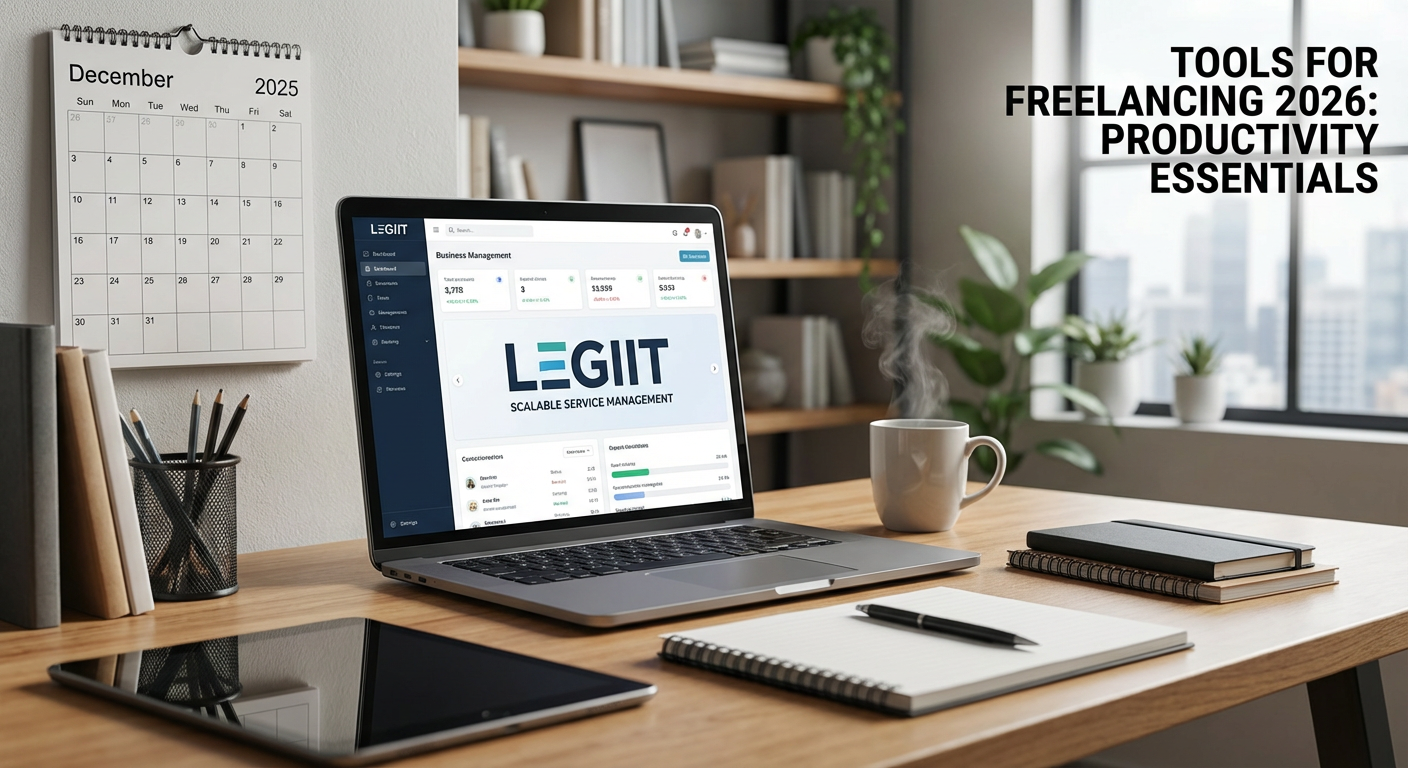
Legiit is a marketplace and business platform built specifically for freelancers who want to sell services without the hassle of constantly chasing new clients. Unlike traditional freelance platforms that take large cuts and limit how you present your work, Legiit gives you the freedom to create detailed service listings, build a portfolio, and connect with buyers who need what you offer.
What makes Legiit forward-thinking is its focus on recurring revenue and long-term client relationships. You can offer subscription-based services, upsells, and packages that bring clients back month after month. This model aligns perfectly with the future of freelancing, where stability and predictable income matter more than one-off gigs. The platform also includes tools for managing orders, communicating with clients, and tracking your progress, all in one place.
- Notion for Flexible Knowledge Management
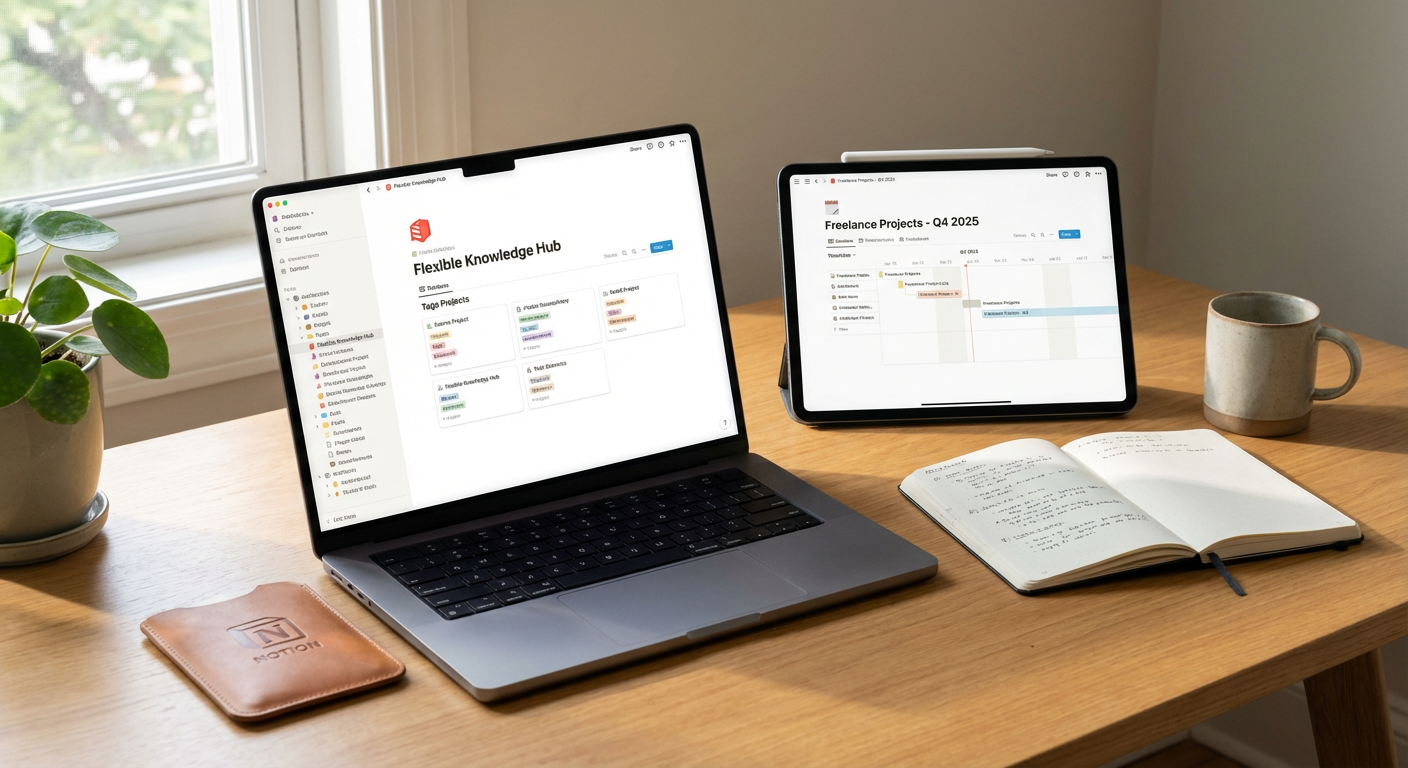
Notion has become a go-to tool for freelancers who need a system that adapts to their workflow instead of forcing them into rigid structures. It combines notes, databases, task lists, calendars, and wikis into one flexible workspace. You can build custom dashboards, track projects, organize research, and keep all your client information in one place.
The reason Notion is future-ready is its adaptability. As your business grows and changes, you can reconfigure your workspace without switching tools. Many freelancers use Notion to create client portals, content calendars, and personal knowledge bases that evolve over time. The platform is constantly adding features and integrations, so it’s built to keep up with how work is changing.
- Zapier for Workflow Automation
Automation is no longer optional if you want to stay competitive. Zapier connects the apps you already use and automates repetitive tasks without requiring any coding skills. You can set up workflows that trigger actions automatically, like adding new leads to a spreadsheet, sending welcome emails to clients, or posting content across multiple platforms at once.
What makes Zapier a long-term investment is its massive library of integrations and its ability to handle complex, multi-step workflows. As new tools emerge, Zapier quickly adds support for them, so your automation setup stays relevant. Freelancers who master automation free up hours every week to focus on higher-value work, and that advantage only grows over time.
- Todoist for Task Management That Scales
Todoist is a task management app that strikes the right balance between simplicity and power. It’s easy to learn but capable of handling complex projects with subtasks, labels, priorities, and recurring deadlines. You can organize tasks by client, project, or context, and the natural language input makes adding tasks fast and intuitive.
The reason Todoist stays relevant is its clean design and consistent updates. It works across every device and syncs instantly, so you can manage your work from anywhere. Many freelancers appreciate that Todoist doesn’t try to do too much. It focuses on helping you capture, organize, and complete tasks without adding clutter. That focus makes it a tool you can rely on for years.
- Loom for Async Communication
Loom lets you record quick video messages with your screen, camera, or both. This tool has become essential for freelancers who work with remote clients and teams. Instead of writing long emails or scheduling unnecessary meetings, you can record a short video to explain an idea, give feedback, or walk someone through a process.
Async communication is the future of remote work, and Loom is built for exactly that. Videos are faster to create than written explanations and easier for clients to understand. You can send a Loom link in seconds, and recipients can watch on their own time. The platform also includes features like transcriptions, comments, and analytics, making it more than just a screen recorder. Freelancers who adopt async tools now will have a clear advantage as more businesses move away from constant meetings.
- Sunsama for Intentional Daily Planning
Sunsama is a daily planner designed to help you work with intention rather than reacting to whatever comes up. It pulls tasks from your other tools like Todoist, Asana, Trello, and Gmail, then helps you decide what to focus on each day. The interface encourages you to set realistic goals, time-block your work, and reflect on what you accomplished.
This tool is forward-thinking because it addresses one of the biggest challenges freelancers face: overwhelm. As your client list grows, so does the chaos. Sunsama helps you stay grounded and focused on what matters most. The daily planning ritual it promotes builds sustainable work habits that prevent burnout and keep you productive over the long haul. It’s not about doing more, it’s about doing the right things.
- Descript for Next-Generation Content Creation
Descript is a video and podcast editor that treats media like a text document. You can edit audio and video by editing the transcript, which speeds up the process dramatically. It also includes tools for removing filler words, adding captions, creating audiograms, and even generating realistic voice clones.
Freelancers who create content need tools that save time without sacrificing quality, and Descript delivers on both fronts. The platform is constantly adding AI-powered features that make editing faster and more accessible. Whether you’re producing client videos, building a personal brand, or creating marketing content, Descript gives you capabilities that used to require expensive software and technical skills. As content continues to dominate online business, tools like this will become essential.
- Riverside for High-Quality Remote Recording
Riverside is a recording platform designed for podcasts, interviews, and video content. Unlike standard video call software, Riverside records each participant locally in high definition, then uploads the files to the cloud. This means you get studio-quality audio and video even if someone’s internet connection drops during the call.
The future of freelancing includes more content creation, collaboration, and thought leadership. If you’re building a personal brand or producing content for clients, the quality of your recordings matters. Riverside makes it easy to create professional content without needing a studio or complicated setup. The platform also includes editing tools, transcriptions, and clip creation, so you can produce finished content faster. Investing in quality recording tools now positions you ahead of competitors who rely on basic video calls.
- Fathom Analytics for Privacy-Focused Website Tracking
Fathom Analytics is a simple, privacy-first alternative to Google Analytics. It tracks website traffic without cookies, doesn’t collect personal data, and complies with privacy regulations around the world. The dashboard is clean and easy to understand, giving you the insights you need without overwhelming complexity.
Privacy is becoming a bigger concern for businesses and consumers, and regulations are tightening. Tools that respect user privacy will become more important, not less. Freelancers who build websites, manage marketing, or advise clients need analytics tools that won’t create legal headaches down the road. Fathom is fast, reliable, and built for the long term. It’s a smart choice if you want to future-proof your analytics setup.
- Cron Calendar for Smarter Scheduling
Cron is a calendar app designed for people who live in their calendars. It connects to Google Calendar and adds features like time zone support, meeting templates, keyboard shortcuts, and smart scheduling links. The interface is fast and thoughtfully designed, making it easier to manage a busy schedule without constantly switching between tabs.
Freelancers juggle multiple clients, time zones, and deadlines, and a good calendar tool makes all the difference. Cron is built by a team that understands how modern professionals work, and they’re constantly improving it. The app is free for individuals and includes features that used to require paid tools. As your business grows and your schedule gets more complex, having a calendar that works with you instead of against you becomes critical.
- Obsidian for Long-Term Knowledge Building
Obsidian is a note-taking app that stores everything locally on your device using plain text files. This means you own your data completely, and it will never disappear if a company shuts down. Obsidian uses a linking system that lets you connect notes together, creating a personal knowledge network that grows more valuable over time.
The longevity of this tool is its biggest strength. Many note-taking apps come and go, but Obsidian’s local-first approach means your notes will outlast any platform. Freelancers who accumulate knowledge over years of work need a system that preserves and connects that information. Whether you’re tracking client preferences, documenting processes, or building a resource library, Obsidian gives you a foundation that lasts. The app also supports plugins and customization, so it can adapt to however your needs change.
Building a freelance business that lasts means choosing tools that adapt, scale, and respect your time. The platforms on this list aren’t just popular right now. They’re designed with flexibility and longevity in mind. As the way we work continues to shift, having the right tools in place will help you stay productive, reduce stress, and focus on the work that matters. Start with one or two that fit your biggest needs, and build from there. Your future self will thank you.
